Adult ADHD vs. Anxiety: How to Tell the Difference
If you've ever wondered whether your inability to focus, chronic restlessness, or sense of overwhelm is ADHD or anxiety — you're not alone. These two conditions share a striking number of symptoms, and even experienced clinicians can find them difficult to disentangle. Understanding how they differ is the first step toward getting the right diagnosis and the right treatment.
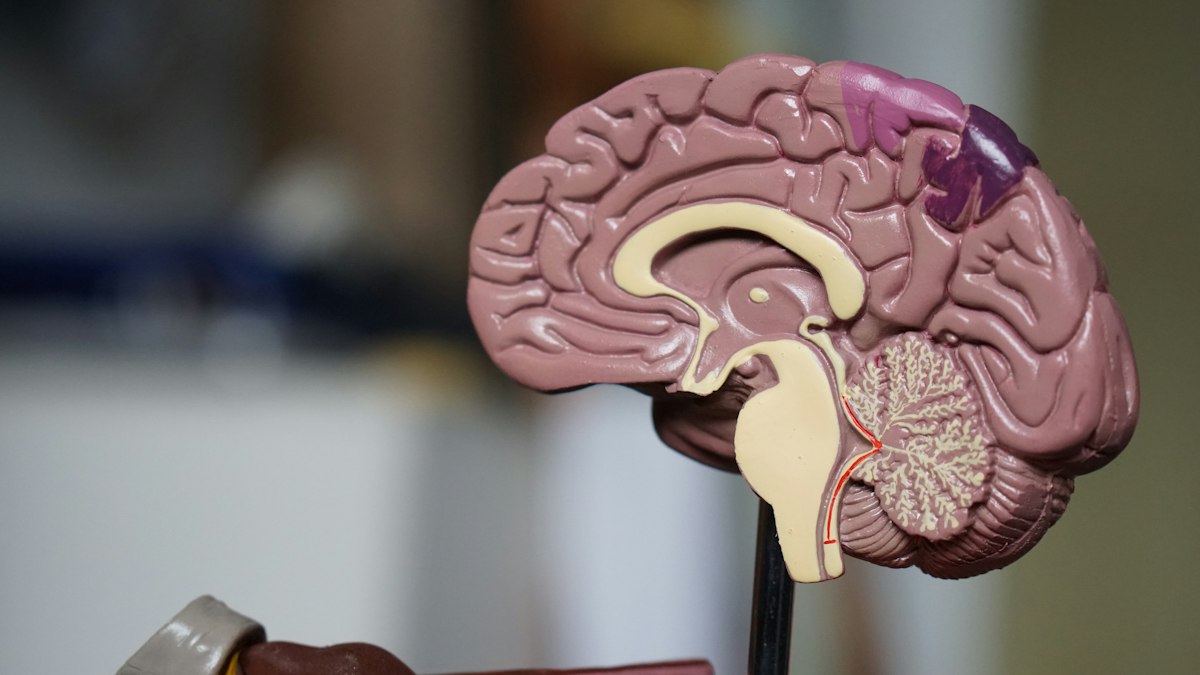
Many adults live with both ADHD and anxiety for years before receiving an accurate diagnosis.
Why ADHD and Anxiety Are So Often Confused
ADHD (Attention-Deficit/Hyperactivity Disorder) and anxiety disorders — including Generalized Anxiety Disorder (GAD), Social Anxiety Disorder, and Panic Disorder — are among the most commonly misdiagnosed psychiatric conditions in adults, and they're frequently mistaken for each other.
Part of the confusion stems from how each condition manifests differently across individuals. ADHD isn't just about "being hyper" — in adults, it often presents as chronic disorganization, emotional volatility, difficulty sustaining attention, and an internal sense of restlessness that never quite settles. Anxiety, meanwhile, isn't always about panic attacks — it can show up as persistent overthinking, avoidance of tasks, physical tension, and difficulty making decisions.
On the surface, these presentations look nearly identical. Both can cause you to avoid starting a task, feel overwhelmed by your to-do list, struggle to concentrate in conversations, and lie awake at night with a busy mind. The difference lies beneath the surface — in the underlying mechanism driving each symptom.
Shared Symptoms: The Overlap Zone
The following symptoms appear in both ADHD and anxiety disorders, which is why a surface-level assessment can easily lead to a missed or incorrect diagnosis:
Key Differences Between ADHD and Anxiety
While the symptom lists overlap substantially, the root cause and internal experience of each condition differ in important ways. Understanding these differences can help clarify which — or both — may apply to you.
| Feature | ADHD | Anxiety |
|---|---|---|
| Cause of inattention | Brain's difficulty filtering/sustaining attention | Mind preoccupied with worry |
| Procrastination driver | Low dopamine, boredom, task initiation deficit | Fear of failure or judgment |
| Sleep difficulty | Racing thoughts, can't wind down mentally | Worry-driven rumination |
| Performs under pressure | Often improves with urgency (deadline effect) | Often worsens under pressure |
| Response to interest | Focus dramatically improves with interesting tasks | Anxiety persists regardless of interest |
| Physical symptoms | Restlessness, fidgeting | Muscle tension, heart pounding, sweating |
| Mood | Impulsive emotional reactions | Persistent apprehension or dread |
Executive Dysfunction vs. Anxious Overwhelm
One of the most clinically useful distinctions is between executive dysfunction (an ADHD hallmark) and anxious overwhelm.
Executive dysfunction is a neurological impairment in the brain's planning, prioritizing, and initiating circuits — primarily involving the prefrontal cortex. When someone with ADHD sits down to start a task and can't begin despite genuinely wanting to, this is executive dysfunction. The intention is there. The ability to activate is impaired.
Anxious overwhelm, by contrast, is driven by threat perception. The anxious brain interprets the task as dangerous — either because of potential failure, criticism, embarrassment, or uncertainty — and activates a freeze-or-avoidance response. The difficulty isn't with the brain's activating circuits; it's with a nervous system that perceives danger where little exists.
A useful question to ask yourself: "Do I avoid tasks because I'm worried about doing them badly, or because I simply can't get started even when I'm not worried?" If the latter, executive dysfunction (and ADHD) is more likely in play. If the former, anxiety may be the primary driver — though for many people, both are true.
Emotional Regulation: A Key Differentiator
Emotional dysregulation is now recognized as a core feature of ADHD — one that is often underemphasized in diagnostic criteria but is among the most impairing aspects of the condition for adults. People with ADHD tend to experience emotions intensely and briefly. They may go from calm to frustrated to fine again in a matter of minutes. Their emotional reactions are often proportionate in duration but disproportionate in intensity relative to the trigger.
Anxiety-related emotional patterns look different. Anxiety tends to produce a slow-building, sustained emotional state — persistent worry, chronic low-grade dread, or an inability to let go of concerns even after the triggering situation has resolved. Anxious individuals often ruminate: they replay past events, imagine future catastrophes, and struggle to shift their attention away from worries.
Some adults with ADHD also experience intense emotional reactions to perceived rejection, criticism, or failure — a pattern that can be confused with anxiety or even borderline personality disorder. If you experience a disproportionate emotional crash following criticism or perceived rejection, ADHD may be a significant factor.
How Diagnosis Works
There is no single blood test or brain scan that diagnoses ADHD or anxiety. Both are clinical diagnoses made by a qualified psychiatric provider through a structured process that includes:
- A comprehensive clinical interview covering current symptoms, onset, duration, and functional impairment
- Validated rating scales such as the Adult ADHD Self-Report Scale (ASRS), GAD-7, PHQ-9, and others
- Developmental and family history — ADHD has a strong genetic component
- Assessment of symptoms across multiple settings (work, home, relationships)
- Ruling out medical causes such as thyroid dysfunction, sleep apnea, or substance use
- Screening for co-occurring conditions including depression, PTSD, and autism spectrum features
A critical diagnostic question is: which came first? ADHD is a neurodevelopmental condition present since childhood (even if unrecognized). Anxiety disorders can develop at any age. If someone has struggled with inattention, impulsivity, and disorganization since childhood — before significant life stressors — ADHD is more likely to be the primary diagnosis, with anxiety potentially developing secondarily as a result of years of ADHD-related struggles.
When Both Conditions Coexist
ADHD and anxiety disorders co-occur at strikingly high rates. Research estimates that 40–60% of adults with ADHD have at least one anxiety disorder. This comorbidity is not a coincidence — the relationship is bidirectional and complex.
Living with undiagnosed or untreated ADHD creates a fertile environment for anxiety to develop. Years of missed deadlines, academic underperformance, relationship difficulties, and chronic underachievement — despite genuine effort — can produce a deep-seated sense of inadequacy and hypervigilance about future failures. Over time, this hypervigilance crystallizes into a clinical anxiety disorder.
Conversely, anxiety can mask ADHD. High-achieving individuals — particularly women — often develop elaborate compensatory strategies to manage their ADHD symptoms. Their anxiety keeps them vigilant and "performing," but at enormous cost in terms of mental energy and quality of life. When anxiety is treated without addressing the underlying ADHD, symptom relief is often incomplete.
Treatment Approaches
Treatment differs significantly depending on the diagnosis — another reason accurate differentiation matters.
ADHD Treatment
- Stimulant medications (Adderall, Vyvanse, Ritalin) — one effective option among several
- Non-stimulant medications (Strattera, Wellbutrin, Intuniv)
- Cognitive-behavioral therapy adapted for ADHD
- Behavioral strategies: routines, external scaffolding, time-blocking
- ADHD coaching
Anxiety Treatment
- SSRIs and SNRIs (e.g., Lexapro, Zoloft, Effexor) — one effective medication option
- Cognitive-behavioral therapy (CBT) with exposure components
- Acceptance and Commitment Therapy (ACT)
- Mindfulness-based approaches
- Short-term anxiolytics when clinically appropriate
When both conditions are present, treatment is typically sequenced or combined. Some providers begin with ADHD-focused care — which may include medication, therapy, or both — to address the neurological foundation, then reassess residual anxiety. Others start with anxiety treatment if anxiety is acutely impairing. The key is individualized, evidence-based care from a provider experienced in both conditions.
When to Seek a Professional Evaluation
You don't need a definitive answer before seeking help. In fact, the purpose of a professional evaluation is precisely to bring clarity to a confusing picture. Consider scheduling an evaluation if:
- You've struggled with focus, organization, or follow-through since childhood or early adulthood
- You feel chronically overwhelmed despite genuine efforts to manage your responsibilities
- You've been told you have anxiety but haven't found lasting relief from anxiety treatment alone
- You notice that your focus improves dramatically when you're engaged in something interesting
- You experience intense emotional reactions to criticism, rejection, or perceived failure
- Your symptoms are significantly impairing your work performance, relationships, or quality of life
What You Can Do While You Wait for an Evaluation
You do not need a confirmed diagnosis to start reducing the impact of these symptoms on your daily life. While you wait for a professional evaluation, a few practical strategies can help. The goal is not to self-treat but to reduce friction and create structure that supports you regardless of whether the underlying issue is ADHD, anxiety, or both. Small adjustments to your environment, routines, and expectations can ease the sense of overwhelm that both conditions tend to amplify, and they give your clinician a clearer picture of what is and is not working.
- Externalize memory: use a single planner, phone reminders, and visible checklists instead of relying on working memory
- Reduce task-initiation friction: break large tasks into tiny first steps and start with the smallest one
- Protect sleep and limit caffeine, which can worsen both anxiety and attention symptoms
- Name what you are feeling: brief journaling can reveal whether avoidance is driven by fear or by an inability to start
- Set realistic expectations: chronic overeffort often masks symptoms and accelerates burnout
- Limit comparison: ADHD and anxiety both thrive in environments that reward constant productivity
If task initiation is your main struggle, our guide to executive dysfunction goes deeper on why the brain stalls and what helps. If you are considering whether online care is an option, see how telehealth prescribing works in Ohio. And whenever you are ready, you can explore our ADHD treatment and anxiety treatment services.
Frequently Asked Questions
Can you have both ADHD and anxiety?
Yes — and it's very common. Research suggests that up to 50% of adults with ADHD also meet criteria for an anxiety disorder. The two conditions can worsen each other, making professional evaluation especially important.
Is it ADHD or anxiety causing my racing thoughts?
Both can cause racing thoughts, but the content differs. ADHD-related thoughts tend to be scattered, jumping between unrelated topics. Anxiety-related thoughts tend to circle around specific worries or feared outcomes.
Can anxiety medication help ADHD symptoms?
Some medications like SNRIs (e.g., Strattera/atomoxetine) are FDA-approved for ADHD and also reduce anxiety. However, a thorough evaluation is needed to determine the right treatment approach for your specific presentation.
What kind of doctor diagnoses ADHD vs anxiety?
Psychiatrists are best equipped to differentiate ADHD from anxiety because they can conduct comprehensive evaluations, use validated diagnostic tools, and discuss appropriate treatment options — which may include medication, therapy, or both — for either or both conditions.
How long does an ADHD and anxiety evaluation take?
A thorough psychiatric evaluation at Zyra Mental Health typically takes 60–90 minutes. We use validated rating scales, clinical interviews, and a detailed history to arrive at an accurate diagnosis.
The information on this website is provided for general educational and informational purposes only and is not intended to provide medical or mental health advice, diagnosis, or treatment, or to replace individualized care from a qualified health care professional. If you are experiencing symptoms or have concerns about your physical or mental health, you should consult an appropriately licensed clinician who can evaluate your individual circumstances. Do not delay, change, or discontinue professional care based on information found on this website. Use of this educational content does not create a provider-patient relationship with Zyra, and, to the fullest extent permitted by law, Zyra is not responsible for decisions or actions taken in reliance on this information in place of individualized professional care. If you would like to be evaluated, please schedule an appointment.
Related Resources
New Patient Guide: What to Expect at Zyra Mental Health
From your first consultation to insurance setup and ongoing care — everything new patients need to know before starting treatment at Zyra Mental Health.
Can Telehealth Prescribe Stimulants?
How online ADHD prescribing works in Ohio and what a legitimate telehealth evaluation looks like.
Where to Get Mental Health Help in Columbus & Cleveland, Ohio
Searching for mental help near me? A practical guide to depression treatment, crisis lines, community providers, and outpatient psychiatry in Columbus and Cleveland.